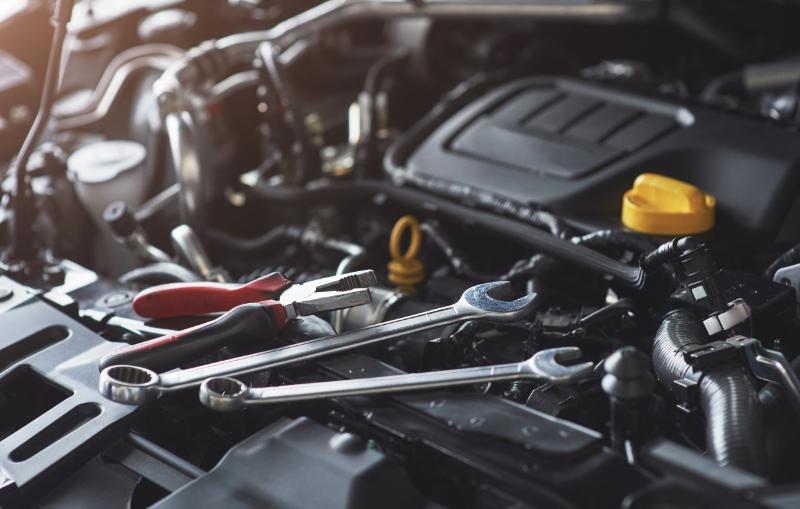
Owning a vehicle is one of the biggest investments most people make, and keeping it on the road for as many years as possible doesn’t require mechanical expertise. In fact, the longest-lasting vehicles often belong to owners who consistently practice simple maintenance habits. Whether you drive a brand-new SUV or a reliable sedan with over 100,000 miles, taking care of your car today can save you thousands of dollars in repairs later. Working with a trusted repair shop like Max Auto Service also helps ensure small issues are caught before they become major problems.
Follow Your Maintenance Schedule
Every manufacturer provides a recommended maintenance schedule for a reason. Oil changes, fluid replacements, spark plugs, filters, and belt inspections are all designed to keep your engine operating efficiently.
Skipping routine maintenance might save a little money today, but it often leads to expensive repairs in the future. Dirty oil, worn spark plugs, and neglected transmission fluid can dramatically shorten the lifespan of critical components.
Even if your vehicle seems to be running perfectly, preventive maintenance is always less expensive than emergency repairs.
Don’t Ignore Warning Lights
Modern vehicles are equipped with sophisticated diagnostic systems that monitor hundreds of components.
If your check engine light, battery light, or oil pressure light comes on, don’t assume it will disappear on its own.
Many drivers continue driving because the car “feels fine,” but a small sensor issue today could turn into catalytic converter damage, engine failure, or transmission problems if ignored.
Having warning lights diagnosed early is one of the smartest habits any vehicle owner can develop.
Check Tire Pressure Regularly
Proper tire pressure affects much more than tire life.
Maria from Max Auto Service mentions how underinflated tires create additional rolling resistance, forcing your engine to work harder while reducing fuel economy.
Overinflated tires wear unevenly and reduce traction.
Checking tire pressure once a month takes only a few minutes and can improve:
- Fuel efficiency
- Tire lifespan
- Handling
- Braking performance
- Overall driving safety
Remember to check tire pressure when the tires are cold for the most accurate reading.
Drive Smoothly
Aggressive driving places unnecessary stress on nearly every part of your vehicle.
Rapid acceleration, hard braking, and speeding increase wear on:
- Brakes
- Tires
- Suspension components
- Transmission
- Engine
Smooth acceleration and gradual braking not only extend the life of your vehicle but also improve fuel economy.
Your car is engineered for normal driving—not constant racing between traffic lights.
Keep Fluids at the Proper Level
Your vehicle relies on several important fluids beyond engine oil.
These include:
- Coolant
- Brake fluid
- Transmission fluid
- Power steering fluid
- Differential fluid
- Windshield washer fluid
Low or contaminated fluids can lead to overheating, brake failure, transmission damage, and expensive repairs.
Having these fluids inspected during routine service helps identify leaks before they become major issues.
Replace Air Filters
A clogged engine air filter reduces airflow, causing the engine to work harder.
Similarly, a dirty cabin air filter restricts airflow through your heating and air conditioning system.
Fortunately, both filters are inexpensive and easy to replace during scheduled maintenance.
Clean filters improve engine performance, fuel efficiency, and interior comfort.
Listen to Your Vehicle
Cars often give subtle warning signs before major failures occur.
Pay attention to:
- Strange noises
- Vibrations
- Burning smells
- Fluid leaks
- Difficulty starting
- Rough shifting
These symptoms rarely fix themselves.
Addressing unusual behavior early often turns a major repair into a minor one.
Wash Your Car Regularly
Many people think washing a vehicle is only about appearance.
In reality, dirt, road salt, bird droppings, tree sap, and other contaminants slowly damage paint and contribute to rust.
Regular washing protects both the paint and the undercarriage.
Applying wax a few times each year also adds an extra layer of protection against UV damage and environmental contaminants.
Don’t Overload Your Vehicle
Every vehicle has a maximum payload capacity.
Frequently carrying excessive weight places extra strain on:
- Suspension
- Tires
- Brakes
- Transmission
- Engine
Removing unnecessary cargo improves fuel economy and reduces long-term wear.
If you regularly tow trailers, make sure your vehicle is properly equipped and maintained for the additional load.
Find a Repair Shop You Trust
One of the most valuable habits isn’t mechanical at all.
Building a relationship with a reputable repair shop means your vehicle receives consistent inspections from technicians who become familiar with its maintenance history.
Preventive inspections can uncover worn brakes, leaking seals, aging belts, or suspension problems before they leave you stranded on the side of the road.
A trustworthy shop also keeps detailed service records, making it easier to stay on schedule with future maintenance.
Small Habits Make a Big Difference
Vehicles that reach 200,000 miles—or even 300,000 miles—usually aren’t just lucky. They benefit from owners who stay consistent with maintenance and address small issues before they grow into expensive repairs.
Simple habits like changing the oil on time, checking tire pressure, replacing worn fluids, driving smoothly, and responding quickly to warning lights all contribute to a longer-lasting, more reliable vehicle.
By investing a little time in routine care, you’ll enjoy fewer breakdowns, better fuel economy, lower repair costs, and many more years behind the wheel.